Paid Advertising in 2026: Google, Bing and LinkedIn
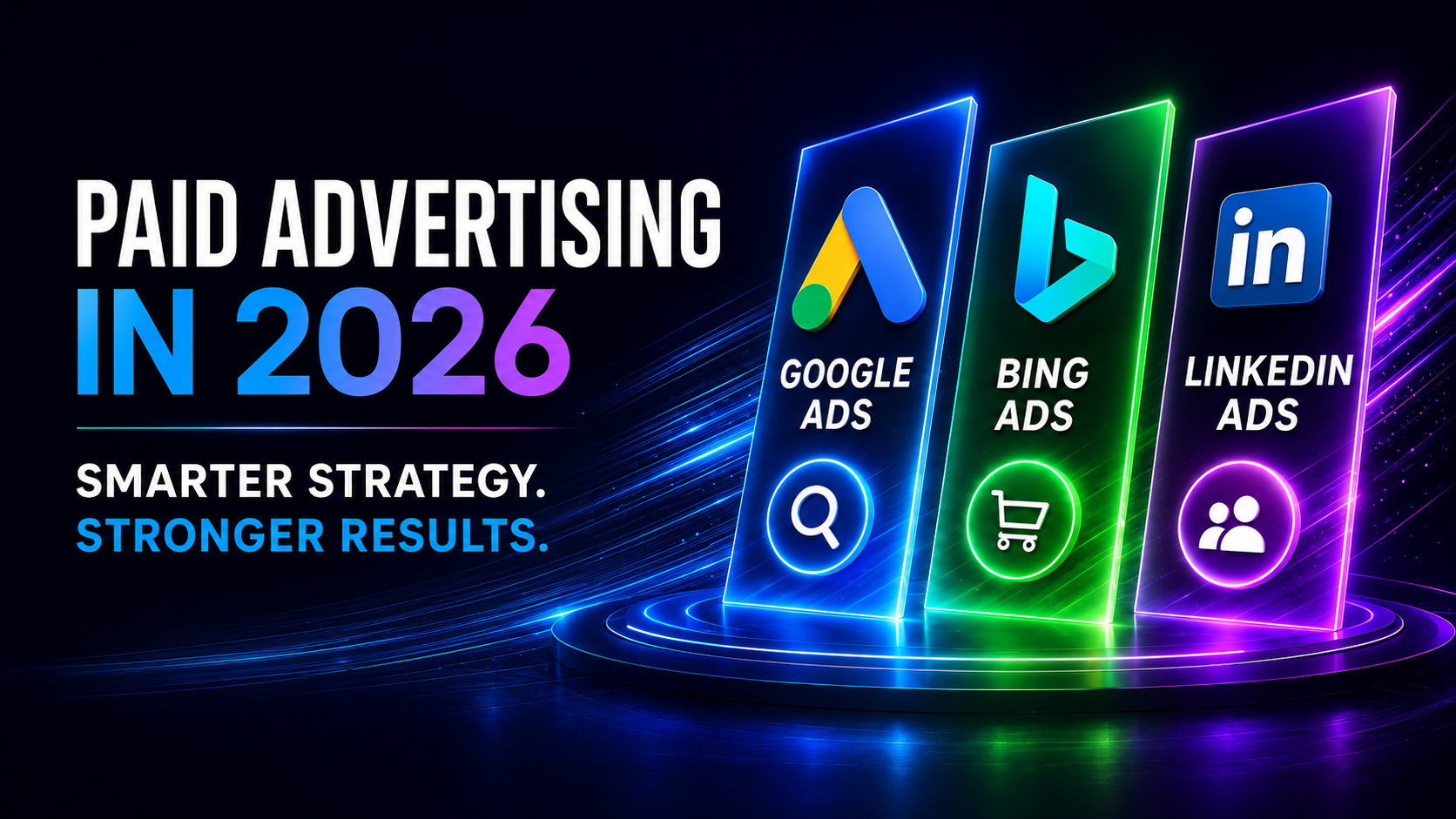
Paid Advertising in 2026: Google, Bing and LinkedIn Strategies That Drive Growth
Paid Advertising in 2026: Google, Bing and LinkedIn Strategies That Drive Growth reflects how quickly digital advertising has evolved. Google Ads, Microsoft Advertising and LinkedIn Ads are becoming more automated, more data driven and more dependent on accurate tracking, strong landing pages and effective follow up.
Google can capture active search demand. Microsoft Advertising can extend search visibility and add valuable professional audience signals. LinkedIn can place a business in front of decision makers according to role, industry, company and seniority.
The strongest paid advertising strategy is not choosing one platform and ignoring the others. It is understanding how each platform supports the customer journey, then connecting advertising to a clear offer, relevant landing pages, CRM automation and measurable business outcomes.
At Blink Digital Consulting, we help businesses build advertising systems that turn attention into qualified leads and sustainable growth.
Paid Advertising Has Become More Intelligent
Artificial intelligence now supports more of the advertising process. Platforms use AI to interpret search intent, identify audiences, adjust bids, distribute budgets and test creative assets.
This can improve efficiency, but automation does not remove the need for human strategy.
AI works with the information it receives. If conversion tracking is inaccurate, the landing page is weak or the campaign is optimized around poor quality enquiries, the system can learn from the wrong signals. It may generate more clicks without producing better leads.
Businesses therefore need to measure more than impressions and website traffic. They need to understand which campaigns generate qualified opportunities, which platforms influence sales and where potential customers lose momentum.
Blink Digital Consulting’s Digital Advertising and PPC service focuses on campaign planning, audience targeting, budget management, conversion quality and continuous optimization.
Google Ads Captures Active Search Intent
Google Ads remains one of the strongest platforms for reaching people while they are actively searching for a solution.
A prospective customer may search for a specific service, compare providers or look for a business in their area. A properly structured Google Ads campaign can place a relevant offer in front of that person at the right moment.
AI Is Changing Google Search Campaigns
Google is moving Search campaigns beyond fixed keyword lists through AI driven tools that help advertisers match more relevant searches, customize advertising messages and direct users to suitable landing pages.
This reflects how people search today. Queries are becoming longer, more specific and more conversational. Customers do not always use the exact keyword or phrase a business expects.
AI can help advertisers reach more of that search intent, but campaigns still need strong foundations. Clear service pages, accurate location targeting, relevant messaging, properly defined conversion goals and reliable lead quality feedback remain essential.
This is why paid advertising should work alongside SEO, GEO and AI visibility. Strong website content supports both organic visibility and paid campaign performance.
Performance Max Requires Quality Data
Performance Max uses Google AI across bidding, audience signals, budgets, creative assets and attribution. It can reach users across several Google channels, but it should not be treated as a campaign that can simply be activated and ignored.
If every form submission is recorded as equally valuable, even when many enquiries are irrelevant, the campaign may optimize towards more low quality leads.
Businesses should ask whether leads were genuine, whether they matched the company’s qualification criteria and whether they progressed through the sales pipeline. Conversion volume matters, but conversion quality matters more.
Microsoft Advertising Extends Search Reach
Microsoft Advertising, commonly associated with Bing Ads, gives businesses access to search and audience opportunities beyond Google.
It can be especially useful for professional services, software, education, finance and business to business campaigns where desktop research and professional buying behaviour remain important.
One of Microsoft Advertising’s most useful capabilities is access to LinkedIn profile targeting. Advertisers can refine selected campaigns using professional attributes such as company, industry and job function.
This can strengthen B2B campaigns because it combines search behaviour with professional context.
Importing a Google Ads campaign into Microsoft Advertising can be a useful starting point, but the two platforms should not be managed as identical copies. Search behaviour, audience composition, competition and performance can differ. Each campaign needs to be reviewed according to the results it produces.
LinkedIn Ads Reach Business Decision Makers
LinkedIn Ads serve a different role from search advertising. People use LinkedIn to consume professional content, research companies, follow industry developments and evaluate expertise.
This makes LinkedIn particularly useful for B2B lead generation, thought leadership, event promotion, account based marketing and professional service awareness.
LinkedIn allows advertisers to build audiences using job role, seniority, industry, company and location. This gives businesses the ability to reach defined professional audiences rather than relying only on broad demographic targeting.
LinkedIn advertising can have a higher cost per click than broader search or social campaigns. That does not automatically make it inefficient.
For a business selling a high value service, one qualified conversation with the right decision maker may be worth more than many low cost clicks from unsuitable users.
LinkedIn performance should therefore be measured through lead quality, meetings generated, pipeline value and cost per qualified lead.
Google, Bing and LinkedIn Should Work Together
Google Ads captures immediate search demand. Microsoft Advertising extends search coverage and adds professional audience signals. LinkedIn Ads support awareness, trust and B2B engagement.
A prospective client may first encounter a company through LinkedIn, search for it later on Google, compare alternatives on Bing and return through remarketing before making contact.
That journey may involve several platforms and multiple interactions.
Businesses therefore need tracking and reporting that account for the complete customer journey rather than crediting only the final click.
A connected advertising strategy also helps businesses allocate their budgets more effectively. Search platforms can capture active demand, while LinkedIn can introduce the business to potential buyers before they begin searching.
Strong Advertising Needs Strong Landing Pages
No advertising platform can compensate for a poor landing page.
The page should explain what the business offers, who the service is intended for, which problem it solves, where the business operates and what the visitor should do next.
It should load quickly, function properly on mobile devices and continue the message introduced in the advertisement.
Sending every campaign to a general homepage may create unnecessary friction. A focused landing page can provide a clearer path from the original ad to the required action.
Blink Digital Consulting connects advertising strategy with lead generation systems so that campaign traffic enters a structured conversion process rather than becoming an isolated website visit.
Conversion Tracking Must Reflect Business Value
Not every click, form opening or brief website interaction represents a genuine lead.
Businesses need conversion actions that reflect real commercial intent, such as completed enquiry forms, qualified calls, consultation bookings, quote requests or verified purchases.
Where possible, advertising data should connect with CRM pipeline stages. This helps identify which campaigns produce leads that progress towards sales and revenue.
Blink Digital Consulting’s CRM and automation services help businesses capture enquiries, automate communication, manage opportunities and improve response times.
Fast follow up matters. A strong campaign can still fail if a qualified lead receives no response or waits too long for the business to make contact.
Paid Advertising in 2026 Requires Strategy
Paid Advertising in 2026 gives businesses access to powerful technology across Google Ads, Microsoft Advertising and LinkedIn Ads.
AI can improve targeting, bidding, campaign creation and optimization. It cannot define a business’s positioning, repair a weak offer or replace accurate conversion tracking.
The businesses most likely to succeed will combine advanced platform capabilities with strong human judgement. They will measure lead quality instead of celebrating clicks alone. They will connect advertising campaigns to relevant landing pages and ensure every enquiry enters a reliable follow up process.
At Blink Digital Consulting, we build paid advertising strategies around the complete customer journey.
Our approach brings together paid media, lead generation, SEO, GEO, CRM automation and conversion systems. This helps businesses move beyond disconnected campaigns and create a more accountable engine for growth.
Explore our Digital Advertising and PPC services to learn how Google Ads, Microsoft Advertising and LinkedIn Ads can work together within a smarter, more focused advertising strategy.
Blink Digital Consulting
Blink Digital Consulting helps businesses generate qualified leads, improve online visibility, automate follow-up, and build digital marketing systems that work around the clock.